Written in Hide: How Your Leather Goods Become a Living Record of Who You Are
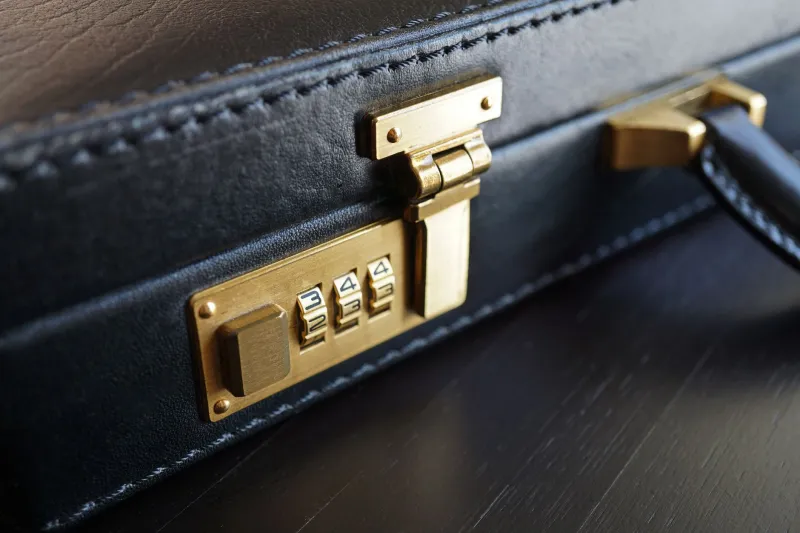
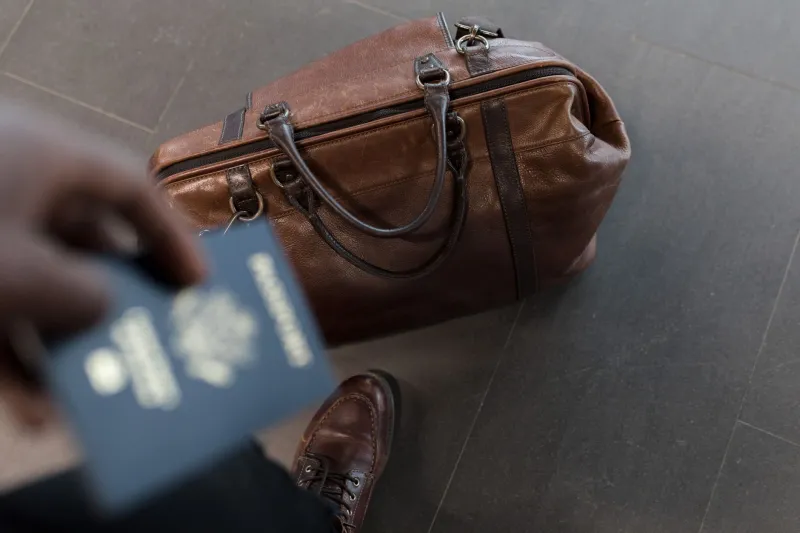
There is a moment, usually somewhere around the second or third year of carrying a quality leather bag, when you realize the object in your hands no longer resembles the one you purchased. The surface has deepened in color near the handles. A crease has formed where you always fold the flap back in a hurry. The corners have softened along the edges you habitually brush against the door frame of your office. The leather has, without ceremony or announcement, begun to tell your story.
This is patina — and in the world of fine leather goods, it is the most personal luxury that money cannot buy.
The Science of a Signature
Patina is not a finish applied in a workshop. It is a slow collaboration between the leather and the person who carries it. The oils from your hands, the humidity of the cities you pass through, the friction of the surfaces your bag meets daily — all of these forces work upon the hide in ways that are entirely specific to you. The chemistry is straightforward. The result is anything but.
Vegetable-tanned leathers, in particular, are celebrated for their responsiveness to this process. Unlike chrome-tanned alternatives, which are treated to resist change, vegetable-tanned hides are designed to absorb and evolve. They are, in the truest sense, living materials — and they record their environment the way tree rings record seasons.
What makes this remarkable is the specificity of the record. Two people can purchase identical briefcases from the same maker on the same day. Within eighteen months, those two objects will be unmistakably different from one another. The divergence begins almost immediately.
Two Bags, Two Lives
Consider two professionals — one a corporate attorney based in Chicago, the other a freelance architect working out of Austin, Texas. Both carry a full-grain leather briefcase in tan. Both use it daily. Both care for it with reasonable attention.
The attorney's bag spends its mornings pressed against the wool of a winter overcoat during a commute on the L train. It sits beneath a desk in a climate-controlled office for eight hours. It is set down on marble lobbies and hardwood conference room floors. The cold, dry air of a Chicago winter pulls at the leather during the months it spends outdoors. Over time, the bag develops a rich, almost chestnut depth of color along its base and handles — the areas most exposed to friction and hand contact. The body of the bag retains more of its original tone, creating a studied contrast that speaks quietly of discipline and routine.
The architect's bag lives differently. It rides in the back of a truck on job sites. It sits open in a sun-drenched studio where the Texas light pours in for hours each afternoon. Documents and rolled drawings slide in and out of it with less ceremony. The leather absorbs the warmth of that light and develops a honeyed, amber quality across its face. The corners show more pronounced wear. The surface has a texture that suggests movement, improvisation, a life conducted at speed.
Both bags are beautiful. Neither is damaged. But they are no longer the same object — and they never could have been.
What No Logo Can Replicate
The fashion industry has long understood the power of the signature. Monograms, embossed initials, and brand markings have been used for generations to signal ownership and taste. But there is a fundamental difference between a mark that is placed upon an object and one that is earned through use.
A stamped logo announces a purchase. Patina announces a life.
This distinction matters increasingly to a generation of American consumers who have grown skeptical of conspicuous branding. The most discerning among them are not interested in wearing a label's identity — they are interested in expressing their own. A deeply patinated leather bag, worn with the ease of something that has been carried for years, communicates something that no new purchase can manufacture: the suggestion of a person who has been somewhere, done something, and chosen their tools with care.
It is, in the most literal sense, wearable autobiography.
The Habits That Write the Story
If patina is a signature, then your daily habits are the pen. The way you set your bag down — always on the floor, always on a chair, always slung over one shoulder — determines where the leather softens first. The products you use to condition it, and how often you use them, influence the depth and evenness of the color it develops. Even the climate you inhabit plays a role: dry southwestern air produces different results than the humid atmosphere of the Gulf Coast or the salt-tinged air of a coastal city.
This is why leather care, at its most intentional level, is not simply maintenance. It is authorship. When you condition a leather piece regularly, you are not merely preserving it — you are shaping the story it will tell. When you allow it to develop naturally through use, without intervention, you are letting the material speak for itself.
Both approaches are valid. Both produce something irreplaceable.
The Value of the Unrepeatable
In an era of mass production and algorithmic sameness, the unrepeatable carries extraordinary value. The leather goods industry has long understood this, which is why the finest makers — those working with full-grain hides, traditional tanning methods, and hand-finishing techniques — speak of their products not as commodities but as starting points. The maker provides the raw material of a signature. The owner completes it.
This is the philosophy at the heart of what a truly iconic leather piece represents. It is not finished when it leaves the workshop. It is finished — if it is ever truly finished — when it has absorbed enough of your life to become indistinguishable from it.
The most compelling leather goods in any collection are rarely the newest. They are the ones that have been carried through something: a career transition, a cross-country move, a decade of early mornings and late evenings. They are the ones whose surfaces have been shaped by thousands of small, unremarkable moments that, taken together, amount to a portrait of the person who carried them.
Earning Your Edition
There is a certain patience required to appreciate this process — a willingness to resist the impulse to replace and instead commit to the slower satisfaction of accumulation. American consumer culture does not always reward this instinct. But among those who have carried fine leather long enough to witness the transformation, the reward is understood to be significant.
Your leather goods, given time and use, will become yours in a way that nothing purchased off a shelf can be. They will carry the color of your routines, the texture of your environments, the evidence of your choices. They will age as you age — not as a sign of decline, but as a record of presence.
That is not wear. That is character. And no two people's character is ever quite the same.