What We Leave Behind: The Hidden Language of Leather as Family Legacy
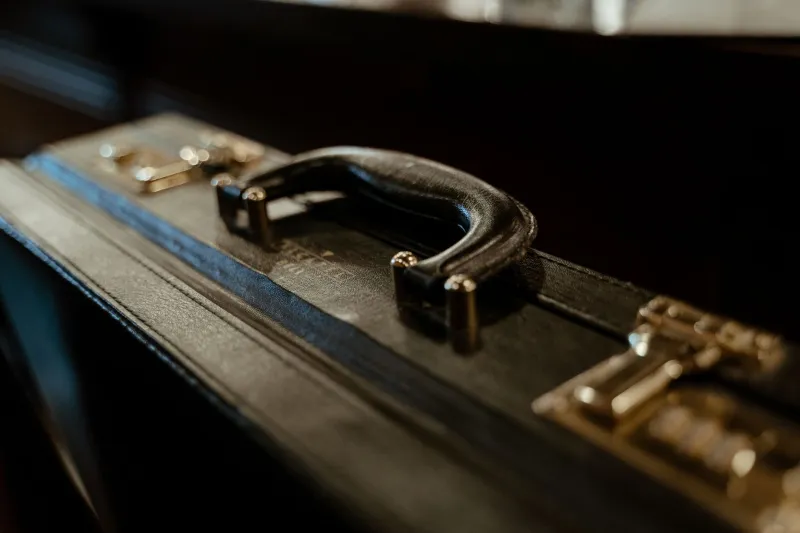
There is a particular weight to a well-worn leather briefcase when it changes hands. Not the physical weight—though that, too, carries its own authority—but the accumulated gravity of years. Of mornings. Of decisions made and carried forward. When a father slides a bag across a table to a daughter beginning her first serious career, or when a grandmother places a clutch into the hands of a granddaughter on the eve of her wedding, something more than an object is transferred. A set of values, unspoken but unmistakable, moves with it.
The question of what we choose to pass down is, at its core, a question of what we believe matters.
The Psychology of the Worthy Piece
Not every leather good makes the journey across generations. Some are discarded, donated, or simply lost to time. The ones that survive—that are deliberately preserved, named, and eventually gifted—share a common quality that has less to do with monetary value than with intentionality at the moment of purchase.
"When my grandfather bought his wallet in 1962, he spent what was then a significant sum," recalls Marcus Ellington, a Chicago-based architect and collector of vintage American leather goods. "He told me he made the decision because he was tired of replacing things. He wanted something that would outlast the impulse to buy again. That philosophy is what I inherited first. The wallet came second."
This is a pattern family historians and estate advisors have observed repeatedly: the pieces most likely to be passed down are those originally purchased with deliberate restraint and considered purpose. Impulse acquisitions, regardless of their label or price point, rarely survive the inheritance conversation. They carry no story because they were never meant to.
The psychology here is not complicated, but it is meaningful. When we invest in a leather piece with genuine intention—acknowledging its craft, accepting its price, committing to its care—we are implicitly signaling that we believe in permanence. And children, grandchildren, and chosen heirs absorb that signal long before any formal bequest is made.
What the Piece Communicates Before You Say a Word
Family therapists who work with multigenerational wealth often speak of "object lessons"—the unspoken teachings embedded in the things a household values and maintains. A leather bag that has been resoled, reconditioned, and carried for thirty years is one of the most eloquent object lessons available to a family.
It communicates, without a single syllable, that quality is a sound investment. That maintenance is a form of respect. That the things worth having are worth protecting. And perhaps most importantly, that some decisions are made not for the present moment but for the decades ahead.
"My mother's leather portfolio was the first thing I asked for after she passed," says Diane Okafor, a Houston-based attorney. "Not her jewelry. Not her car. That portfolio. Because I had watched her carry it into every important meeting of her professional life for twenty-five years. It meant something specific about who she was and how she operated. When I carry it now, I feel accountable to that standard."
This accountability is not sentimental in the soft sense of the word. It is aspirational. The inherited leather piece functions as a recurring reminder of the values it was purchased to embody—and a quiet challenge to live up to them.
The Deliberate Gift vs. The Accidental Heirloom
There are two distinct categories of leather legacy. The first is the accidental heirloom: a piece so well made that it simply outlasts its original owner and finds its way, almost by default, into the next generation's hands. These pieces are valuable, certainly. But they carry a different weight than the second category—the deliberate gift.
The deliberate leather gift is a considered act. A parent who selects a fine leather wallet for a child graduating from college, or a mentor who commissions a bespoke portfolio for a protégé entering a new chapter, is doing something that transcends the transactional. They are encoding an expectation. A belief in the recipient's future. A standard they are invited to uphold.
Several American families with multi-decade traditions in luxury leather have developed what might be called informal rites of passage around these gifts. A first quality belt at eighteen. A serious bag at thirty. A watch strap or card case at significant professional milestones. The specifics vary, but the underlying message is consistent: you have earned something built to last, because we believe you are, too.
Choosing What Deserves to Continue
For those who are building a collection with legacy in mind—or who simply wish to be more intentional about what they acquire and why—a few principles emerge from conversations with collectors, inheritors, and craftspeople alike.
Provenance matters. A piece with a clear origin story—a specific maker, a documented date of purchase, a known occasion—is infinitely more transferable than one acquired anonymously. Keep receipts, notes, and photographs. The documentation becomes part of the inheritance.
Care is a form of storytelling. A leather good that has been regularly conditioned, properly stored, and thoughtfully repaired over decades arrives in a successor's hands already narrating its own history. Neglect, by contrast, tells a different and less flattering story.
Restraint signals intention. The families whose leather pieces survive generations tend to acquire slowly and deliberately. One exceptional bag rather than five adequate ones. A single, magnificent belt rather than a drawer of forgettable alternatives. Scarcity of acquisition creates significance of possession.
The gift should fit the recipient's life, not just your own. The most successful leather inheritances are those in which the giver has considered not only what the piece means to them, but what it will mean—practically and symbolically—to the person who receives it.
The Conversation That Never Ends
Ultimately, the leather we choose to pass forward is a form of communication that continues long after we are able to speak. It answers the question every generation asks of the one before it: What did you believe in? What did you think was worth protecting?
A piece of fine leather, honestly acquired, carefully maintained, and deliberately gifted, answers that question with uncommon clarity. It says: I believed in craft over convenience. In permanence over novelty. In the idea that some things—and some people—are worth investing in for the long term.
That is not a small message to leave behind. It is, in many respects, everything.