Read the Leather: What Your Most-Used Pieces Are Quietly Telling You About Yourself

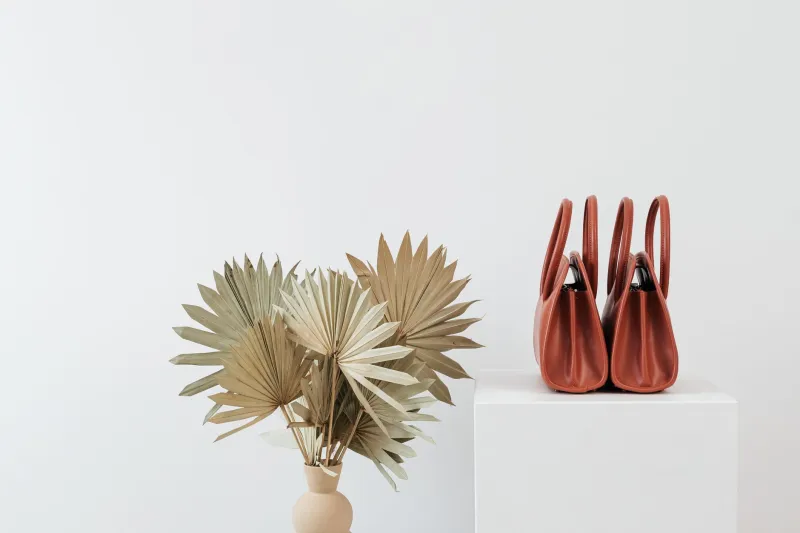
Photo: Shixart1985, CC BY 2.0, via Wikimedia Commons
Leather does not lie.
This is, in fact, one of its most celebrated qualities among those who understand the material deeply. A fine hide will absorb the oils from your hands, stretch slightly where your grip is habitual, fade where the light hits it daily, and stiffen where it goes untouched for months at a time. Every pattern of use and neglect is written into the surface with a fidelity that no synthetic material can match.
This is usually discussed as a feature—the beautiful patina, the character that develops over time, the evidence of a life well-lived. And it is all of those things. But it is also something more uncomfortable: an honest record of your actual priorities, independent of what you claim those priorities to be.
The Gap Between Aspiration and Evidence
Most people carry a reasonably detailed mental image of themselves as a certain kind of person. Organized. Intentional. Someone who takes care of their things. Someone who uses what they own. Someone who has their life together in the ways that matter.
Leather goods have a way of complicating that image.
Consider the expensive leather portfolio purchased during a period of professional ambition—the kind of piece acquired with the genuine intention of carrying it to important meetings, of presenting a certain image to the world. If that portfolio now lives at the back of a closet, its surface dry and slightly tacky from years without conditioning, its interior still holding the business cards from a job you left in 2019, it is telling you something specific. Not that you are a failure. But that the ambition that motivated the purchase did not translate into sustained practice.
Or consider the opposite: a wallet so worn at the corners that the leather has begun to split, the interior pockets stretched beyond their intended capacity, the bill compartment stiff with years of pressure. This is a piece that has been used—genuinely, daily, without ceremony. What it reveals depends on what you find inside it, and on whether the wear reflects a conscious relationship with the object or simply the byproduct of indifference.
Wear as Data
There is a useful discipline in approaching your leather goods the way an analyst might approach a dataset: not with judgment, but with curiosity. What does the pattern of wear actually show?
The handles of a leather bag wear first and fastest. If the wear on your bag's handles is uneven—one significantly more worn than the other—you carry it on a single shoulder, probably the same one, probably every day. This is useful information about your habits and, potentially, about your posture.
The corners of a leather briefcase or tote tell a different story. Heavy corner wear suggests the bag is set down on hard surfaces regularly—office floors, subway platforms, restaurant chairs. It suggests a life that moves quickly, that does not always have time for the deliberateness that fine leather rewards. There is no shame in this. But it is worth knowing.
The interior of a leather bag is perhaps the most revealing surface of all. A well-maintained interior—clean, organized, the pockets used for their intended purposes—suggests a person who has thought carefully about how they move through the world. An interior filled with receipts, loose change, forgotten earbuds, and the accumulated debris of six months of daily life suggests something else: not chaos, necessarily, but a certain relationship with accumulation and with the present moment.
The Neglected Piece
If wear patterns reveal how we actually live, the absence of wear reveals something equally significant: what we aspire to but have not yet become.
The leather journal that was purchased with the intention of becoming a more reflective person, and that remains nearly empty on a nightstand. The slim card case acquired during a period of professional reinvention, now sitting unused in a drawer because old habits of carrying a stuffed wallet proved more durable than the intention to simplify. The beautiful leather travel bag that has made exactly one trip since it was bought three years ago.
These pieces are not failures. They are, in a sense, preserved ambitions—physical evidence of a self you were genuinely reaching toward at a specific moment in time. The more productive question is not why didn't I use this but rather is this still a direction I want to move in, and if so, what would it take to actually get there.
Patina as Autobiography
It is worth pausing on the pieces that wear beautifully—not because they were spared use, but because they were used with care and consistency. These are the leather goods that tell the most generous story about their owners.
A wallet with even, smooth wear across its surface, conditioned regularly enough that the leather has darkened to a deep, warm tone without cracking. A bag whose handles show honest use but whose corners remain intact because it has been set down thoughtfully, stored properly, and treated as something worth preserving. A leather belt that has developed a patina exactly at the buckle hole you use every morning—evidence of a body, a routine, a life.
These pieces represent the ideal relationship between owner and object: genuine use, genuine care, genuine accumulation of time. They are, in the truest sense, autobiographical objects—not curated for an audience, but simply lived with.
Using Your Leather as Feedback
The practical invitation of this kind of attention is straightforward: before your next leather purchase, spend some time with what you already own.
Look at the wear patterns without flinching. Notice which pieces have been used and which have been avoided. Consider whether the avoidance reflects a mismatch between the piece and your actual life, or whether it reflects a habit of aspiration without follow-through. Ask yourself whether the condition of your most-used piece reflects the care you believe you give your things.
This is not an exercise in self-criticism. It is an exercise in accuracy. The most intentional relationship you can have with fine leather goods begins not with acquisition but with honest observation—of what you have, how you have treated it, and what that treatment reveals about who you actually are versus who you are working to become.
Leather, as it turns out, has been keeping notes all along.